
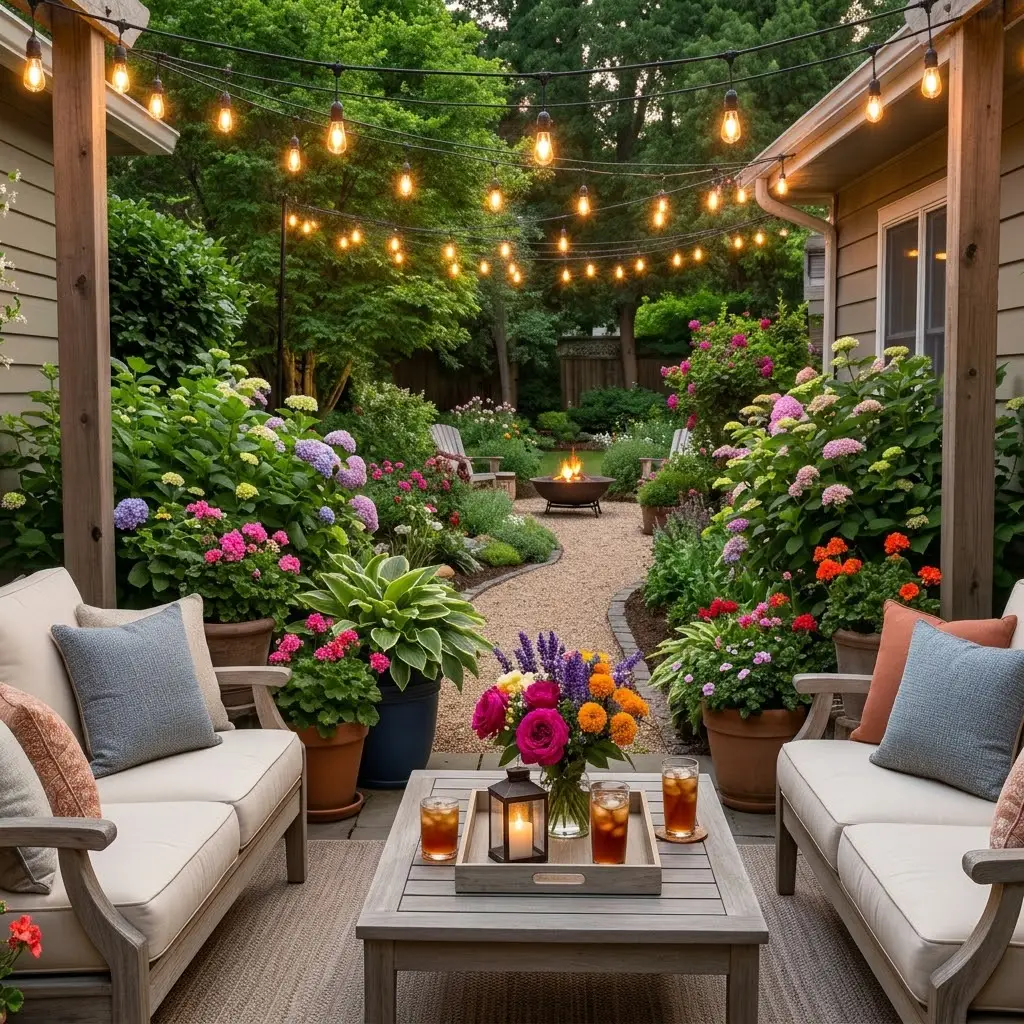
A thoughtfully designed garden and outdoor area can become one of the most enjoyable parts
of your home. It can serve as a peaceful place for morning coffee, a comfortable setting for
family dinners, or a welcoming space where guests can relax and connect. Whether you have a
large backyard, a small patio, or a compact balcony, you can create an outdoor retreat that
reflects your personality and supports the way you like to spend your time.
Building a beautiful outdoor space does not require completing everything at once. Begin with a
clear plan, focus on comfort and function, and add plants and decorative details gradually. With
the right combination of seating, greenery, lighting, and personal touches, even a simple area
can feel inviting.
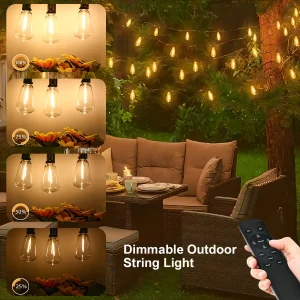
(Sample from www.everythingtodaydecor.com)
Before purchasing plants or furniture, think about the main purpose of your outdoor area. You
may want a quiet garden for reading, a dining space for entertaining, a play area for children, or
a flexible setting that supports several activities.
Make a list of the features that matter most to you. These may include a dining table, lounge
chairs, a fire pit, gardening beds, a cooking station, or a shaded seating area. Consider how
many people usually visit and whether you need furniture that can be moved when larger
groups gather.
If you have enough room, divide the area into zones. One section might be used for dining,
another for conversation, and a third for gardening. Outdoor rugs, planters, pathways, and
furniture arrangements can define these spaces without requiring walls or permanent structures.
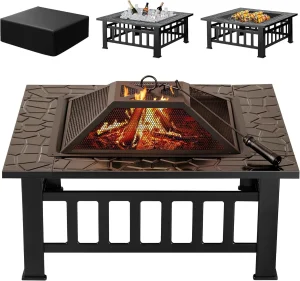
(Sample from www.everythingtodaydecor.com)
A good layout should make it easy for people to move through the space. Arrange furniture so
doors, walkways, and garden paths remain clear. Guests should not have to squeeze behind
chairs or step through flower beds to reach a seating area.
Create conversation-friendly arrangements by positioning chairs and sofas so people can see
one another comfortably. Place a coffee table, side table, or outdoor ottoman within reach for
drinks and snacks.
Measure the space before buying furniture. A large dining set may overwhelm a small patio,
while a few undersized chairs can make a spacious yard feel incomplete. Use painter’s tape or
cardboard to mark furniture dimensions and visualize how much room each piece will occupy.
Outdoor furniture should be comfortable, attractive, and able to withstand local weather
conditions. Common materials include treated wood, aluminum, steel, wicker, and
weather-resistant plastic. Each option has different care requirements, so choose one that fits
the amount of maintenance you are willing to provide.
Wood brings natural warmth but may need regular sealing or refinishing. Powder-coated metal
can offer durability and a clean appearance, while synthetic wicker creates a relaxed look and is
often easy to maintain.
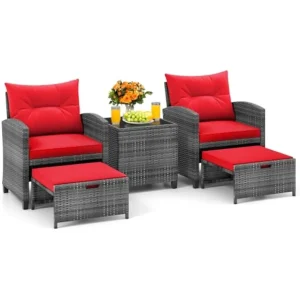
(sample from www.everythingtodaydecor.com)
Choose cushions made from outdoor-rated fabric that resists moisture and fading. Removable,
washable covers can make routine cleaning easier. When possible, protect furniture with covers
or store cushions indoors during severe weather.
You do not need a matching furniture set. Combining pieces can make the area feel collected
and personal. Repeat one or two colors or materials to create a coordinated look.
Plants add color, texture, fragrance, and movement to an outdoor space. Begin by learning how
much sunlight different parts of your yard or patio receive. Some plants need full sun, while
others grow better in partial or full shade.
Choose plants that are suited to your region and soil conditions. Native plants are often a
practical choice because they are adapted to the local environment and can provide food or
shelter for birds and beneficial insects.
Use a mixture of heights and textures to create visual interest. Tall grasses or shrubs can form a
backdrop, medium-sized plants can fill the center, and low-growing flowers can soften edges.
Evergreen plants provide structure throughout the year, while seasonal flowers add changing
color.
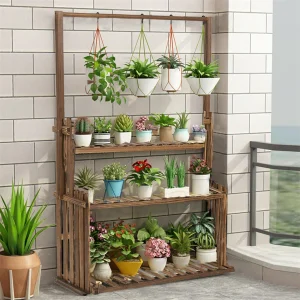
If your space is limited, use containers, window boxes, railing planters, or vertical gardens.
Grouping several pots together can create the feeling of a lush garden without requiring a large
yard.
(Sample from www.everythingtodaydecor.com)